

 English
 العربية
 Deutsch
 Română
 Čeština
 Magyar
 Svenska
 Polski
 Hrvatski
 עברית
עברית Ελληνικά
 Português
 Português (Brasil)
 Slovenščina
 Српски
 Македонски
 Български
 Français
 Español
 Español (Colombia)
 Español (Argentina)
 Español (México)
 Türkçe
 Nederlands
 Italiano
 Bahasa Indonesia
 日本語
日本語 简体中文
简体中文 繁體中文
繁體中文 हिन्दी
 العربية (مصر)
 Shqip
Shqip ไทย
ไทย Русский
 فارسی
فارسی Українська
 Filipino
 اردو
اردو
King Tomislav and the Coronation on Duvnjsko Polje
This year, Croatia marks 1,100 years of the Croatian Kingdom
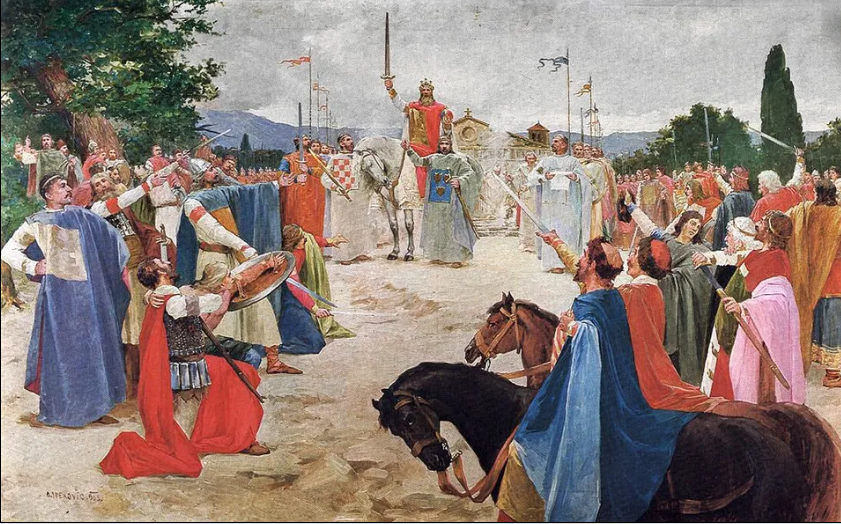
King Tomislav, the first Croatian king, is one of the most important figures in Croatian history. The legend of his coronation on Duvnjsko Polje (Duvnjsko Polje is located in what is now Bosnia and Herzegovina) in the early 10th century marked a key moment in the formation of the Croatian Kingdom. This historical event is the foundation of the creation of today's Croatia.
Tomislav was the son of Mutimir (who reigned from 845 to 862), and succeeded him in 910. When he was proclaimed prince, he liberated the area of Posavina Croatia between the Drava and Sava rivers, and then expanded his rule to Bosnia and Hum. According to folk tradition, he was crowned with a golden crown on Duvnjsko Polje in 925.
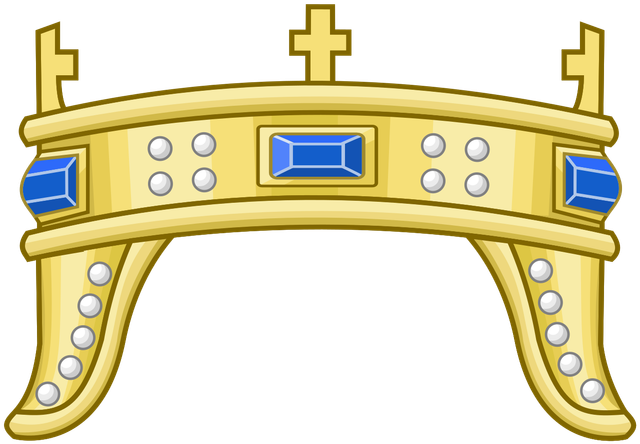
Croatian crown in the time of King Zvonimir-
Duvanjsko Polje is suitable for this important event because of its strategic position, connecting the coast and the interior, and because of its importance as a crossroads since Roman times. In addition, the vastness of the field made it possible to organize such an important gathering. That Tomislav's coronation was not just a formality and a symbol of domestic political power is confirmed by the Pope's blessing.
- Namely, Pope John X sent Tomislav a letter in which he recognized him as king and blessed his reign, as evidenced by the sentence "Dilecto filio Tamisclao, regi Crouatorum", which translated into Croatian means - "To the beloved son Tomislav, king of the Croats".

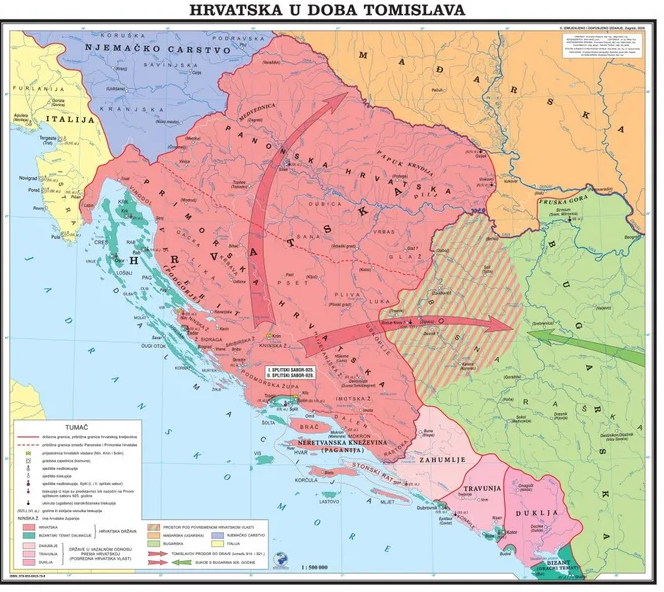
This letter, which is extremely important for the history of the Croatian church and state, confirms Tomislav's royal status and emphasizes the support of the Catholic Church for his rule. Under his rule, the Croatian Kingdom experienced significant territorial and political growth. He successfully united the Croatian Dalmatian areas with the Pannonian and the areas of present-day Bosnia and Herzegovina.
- King Tomislav achieved a crucial victory over the Hungarians at the Battle of the Drava around 925, thereby strengthening the northern borders of his kingdom and ensuring territorial stability. Shortly thereafter, he defeated the army of the Bulgarian Emperor Simeon, which, according to historians, took place somewhere in eastern Bosnia. These military victories secured his dominance and solidified Croatia as a significant political and military power of the time.
Croatia in the age of Tomislav
In addition to his military successes, Tomislav developed a strong fleet, which became one of the most powerful in the Adriatic. His naval power ensured control over Dalmatian cities and sea routes, which further strengthened Croatia's economic and strategic importance.
At the first Split Council in 925, 15 points were established that regulated the state of the church in the state. These decisions were crucial for the further development of the church of the Croatian Kingdom and its organization, ensuring balance between different parts of the country. King Tomislav was also present at this council.
The exact year of King Tomislav's death is unknown, as historical sources about his death do not exist. It is believed that he reigned until 928, after which his name is no longer mentioned in historical sources.
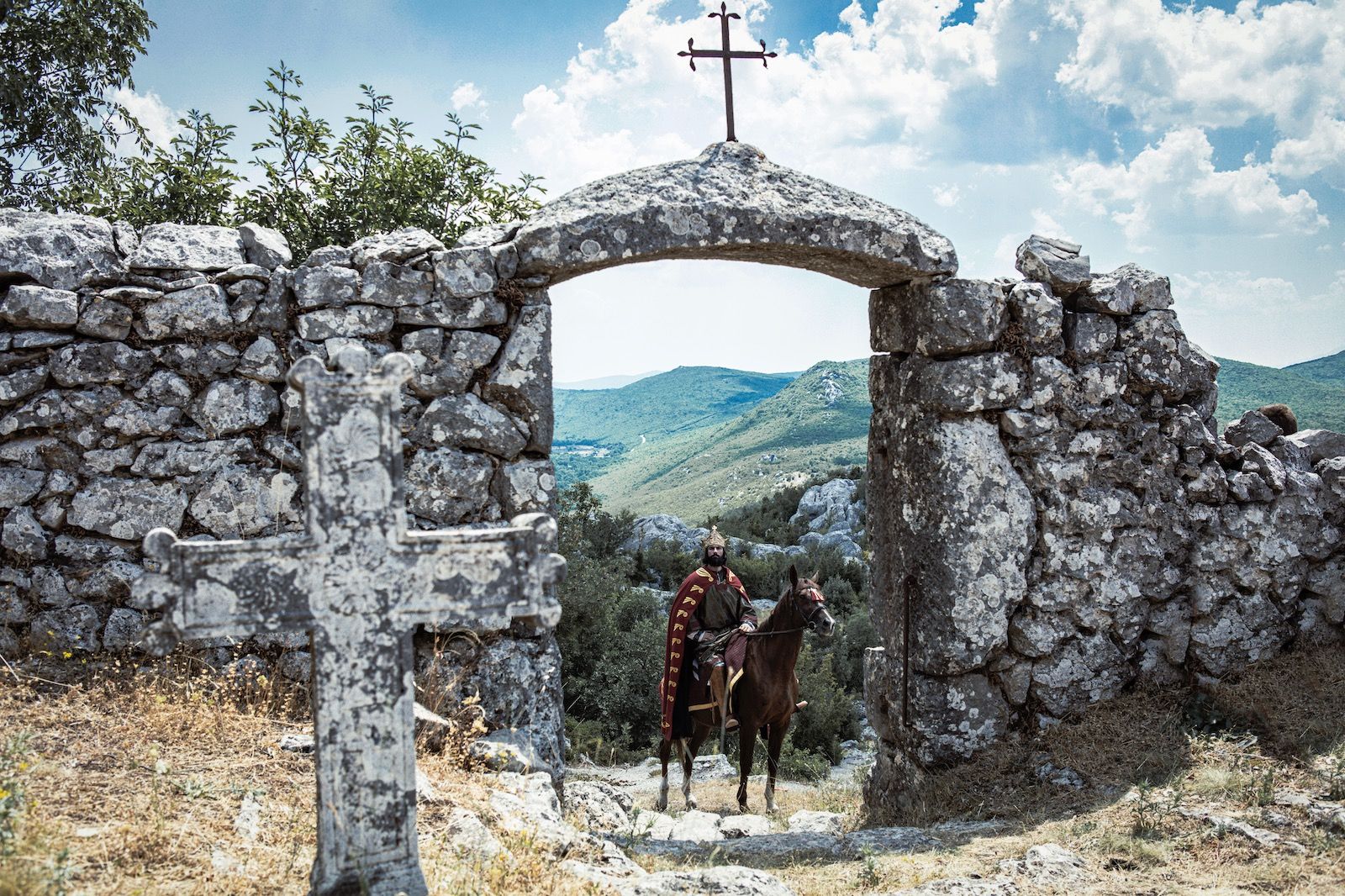
Tomislav's reign brought peace and stability, allowing for the growth and development of trade, culture, and religious life. His coronation marked the beginning of the royal tradition in Croatia, and his name remained permanently inscribed in the Croatian identity.
The records of the Split Church Council from 925 mention:
"...King Tomislav ruled in the province of the Croats and the borders of Dalmatia"
("...consulatu peragente in prouintia Croatorum et Dalmatiarum finibus Tamisclao rege...").
In the conclusions of the council, in the 12th canon, the title "King of the Croats" is mentioned:
"If the King of the Croats and the Croatian nobles..." ("Quod si rex et proceres Croatorum...").
Pope John X writes in a letter to Tomislav: "Tomislav, King of the Croats..." ("Tamisclao, regi Crouatorum...").
Thomas the Archdeacon mentions in his work Historia Salonitana: "In the year of our Lord 914, in the time of Prince Tomislav..." ("Anno Domini 914, tempore ducis Tamisclavi...")
In the Chronicle of the Priest of Dukljan (also known as Regnum Sclavorum), it is stated:
"In his place, his brother Tomislav reigned... During Tomislav's reign, the King of Hungary named Attila raised an army to defeat him. But King Tomislav, a brave young man and a strong warrior, fought many wars with him and always put him to flight. And Tomislav fathered sons and daughters, and in the thirteenth year of his reign he died." ("Pro eo, regnavit frater eius Tomislavus... Durante regno Tomislavi, rex Hungarorum nomine Attila exercitum movit ut eum superaret. Sed rex Tomislavus, iuvenis fortis et miles strenuus, multas cum eo pugnas gessit eumque semper in fugam vertit. Tomislavus filios et filias genuit, et anno tertio decimo regni sui mortuus est.")
Conclusion
The legend of Tomislav's coronation on Duvno Field is woven into the identity of this region and is considered one of the most significant events in the history of the Croats. Under his leadership, Croatia became a united and powerful state, recognized by the church, Byzantium, and the Frankish Kingdom. The importance of King Tomislav and his legacy cannot be disputed. His reign laid the foundations for the later development of the Croatian state and culture, leaving a lasting mark on the national memory.
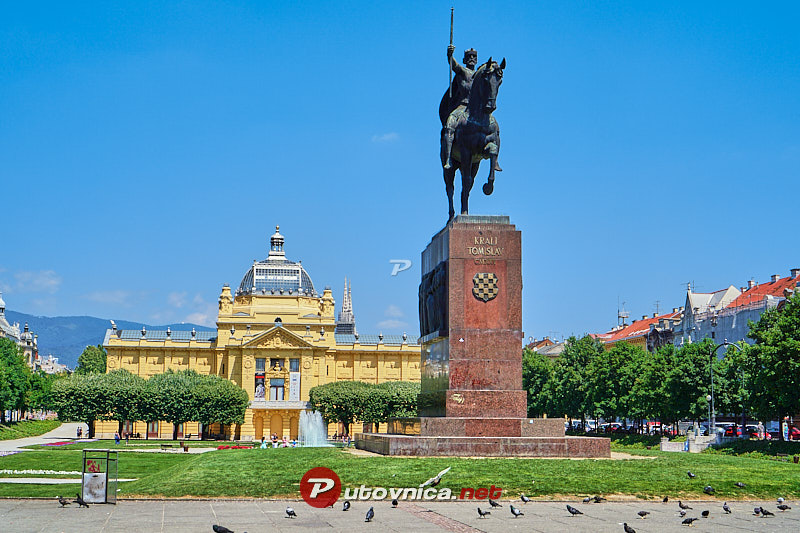
Today Croatia uses the Latin script, but it used to be the Glagolitic script.

The celebration of the 1000th anniversary of his coronation and the construction of the Duvno Memorial Basilica testify to the enduring value and connection of the Duvno region with the first Croatian king.
The historical importance of Duvno Field, which dates back to the time of Delmini and Delmat, further emphasizes the significance of this place in Croatian history.
The 1100th anniversary of the coronation of King Tomislav will be celebrated in 2025, and on this occasion, numerous events and manifestations will be held in Tomislavgrad, which will further present this royal area and its tourist potential to the public. Archaeological research, folklore and legends together contribute to the richness and complexity of the history of Duvno Polje. These different aspects allow us to better understand the past of this area and appreciate its cultural heritage.
Fun fact:
During the reign of King Petar Krešimir IV. Croatia was the most powerful in its history, and also the largest territorially. It includes Slavonia, Srijem, all of Bosnia, Western

Thank you for reading, if you want I could write and continue the history of the Croatian kingdom, its peak and fall.
