

 English
 العربية
 Deutsch
 Română
 Čeština
 Magyar
 Svenska
 Polski
 Hrvatski
 עברית
עברית Ελληνικά
 Português
 Português (Brasil)
 Slovenščina
 Српски
 Македонски
 Български
 Français
 Español (Colombia)
 Español (Argentina)
 Español (México)
 Català
 Türkçe
 Nederlands
 Italiano
 Bahasa Indonesia
 日本語
日本語 简体中文
简体中文 繁體中文
繁體中文 हिन्दी
 العربية (مصر)
 Shqip
Shqip ไทย
ไทย Русский
 فارسی
فارسی Українська
 Filipino
 اردو
اردو
La creciente influencia del Partido Libertario provocó un inesperado enfrentamiento político entre el presidente de Argentina, Tranca, y el presidente de la formación libertaria, Daortzk, luego de que el Gobierno planteara la posibilidad de disolver el partido ante el temor de una eventual intervención extranjera en el país.

Según trascendió, Tranca consideraba que el crecimiento y la creciente tracción del Partido Libertario podían generar un escenario en el que actores extranjeros intentaran aprovechar la situación para ingresar a Argentina y hacerse con el poder. Ante esta preocupación, el presidente argentino habría planteado la posibilidad de disolver el partido como medida preventiva.
Daortzk rechazó la disolución
La respuesta de Daortzk fue contundente. El presidente del Partido Libertario dejó claro que bajo ningún concepto aceptaría la disolución de su partido, al considerar que su existencia no representaba una amenaza para la soberanía argentina.
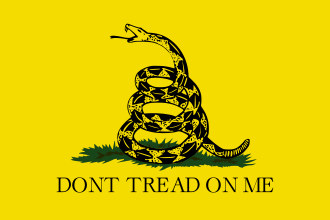
Al mismo tiempo, Daortzk buscó transmitir tranquilidad al Gobierno y aseguró que el Partido Libertario tampoco permitiría que fuerzas extranjeras ingresaran al país con la intención de apoderarse de Argentina.
En ese sentido, sostuvo que, si ese escenario llegara a convertirse remotamente en una realidad, él sería el primero en acercarse al Gobierno de Tranca para formar una coalición y enfrentar conjuntamente cualquier intento extranjero de tomar el control del país.
Acuerdo entre el Gobierno y el Partido Libertario
La reunión entre ambas partes permitió reducir las tensiones y establecer una posición común respecto a la soberanía nacional.
Tras las conversaciones, se concluyó que el Partido Libertario no permitiría que extranjeros ingresaran a Argentina para tomar el poder, comprometiéndose a colaborar con el Gobierno en caso de que surgiera una amenaza de ese tipo.
A cambio, Tranca confirmó que no buscaría disolver el Partido Libertario, poniendo fin, al menos por el momento, a la posibilidad de una medida que habría alterado significativamente el escenario político argentino.
El encuentro terminó así con un acuerdo basado en un principio compartido: independientemente de las diferencias políticas internas, la soberanía de Argentina permanecerá por encima de cualquier disputa partidaria.
— Redacción oficial de The Buenos Aires Post.
OFFICIAL ENGLISH TRANSLATION
The growing influence of the Libertarian Party sparked an unexpected political confrontation between Argentina's President, Tranca, and the president of the Libertarian Party, Daortzk, after the government considered the possibility of dissolving the party over concerns about a potential foreign intervention in the country.

According to reports, Tranca believed that the growing influence and momentum of the Libertarian Party could create a scenario in which foreign actors might attempt to take advantage of the situation, enter Argentina, and seize political power. In response to these concerns, the Argentine president reportedly considered dissolving the party as a preventive measure.
Daortzk Rejects Dissolution
The response from Daortzk was unequivocal. The president of the Libertarian Party made it clear that under no circumstances would he accept the dissolution of his party, arguing that its existence did not represent a threat to Argentina's sovereignty.
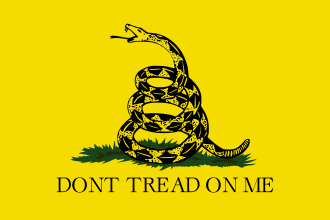
At the same time, Daortzk sought to reassure the government, stating that the Libertarian Party would likewise not allow foreign forces to enter the country with the intention of taking control of Argentina.
He further stated that, should such a scenario ever remotely become a reality, he would be the first to approach Tranca's government to form a coalition and jointly confront any foreign attempt to seize control of the country.
Agreement Between the Government and the Libertarian Party
The meeting between both sides helped ease tensions and establish a common position regarding national sovereignty.
Following the discussions, it was concluded that the Libertarian Party would not allow foreigners to enter Argentina and seize political power, committing itself to cooperate with the government should such a threat emerge.
In return, Tranca confirmed that he would not seek to dissolve the Libertarian Party, bringing, at least for the time being, an end to the possibility of a measure that could have significantly altered Argentina's political landscape.
The meeting therefore concluded with both sides sharing a fundamental principle: regardless of internal political differences, Argentina's sovereignty would remain above any partisan dispute.
— The Buenos Aires Post Editorial Desk.
