

 English
 العربية
 Deutsch
 Română
 Čeština
 Magyar
 Svenska
 Polski
 עברית
עברית Ελληνικά
 Português
 Português (Brasil)
 Slovenščina
 Српски
 Македонски
 Български
 Français
 Español
 Español (Colombia)
 Español (Argentina)
 Español (México)
 Català
 Türkçe
 Nederlands
 Italiano
 Bahasa Indonesia
 日本語
日本語 简体中文
简体中文 繁體中文
繁體中文 हिन्दी
 العربية (مصر)
 Shqip
Shqip ไทย
ไทย Русский
 فارسی
فارسی Українська
 Filipino
 اردو
اردو
Welcome to another analysis article of questionable accuracy and unbearable length!
Today we're inspecting the global state of NPC economy in the game. Our targets are things that go from simply who owns the most NPCs, all the way to global supplies consumption and estimating which are the countries contributing most to global depollution.
First, a disclaimer:
- Don't take data here at face value, it's my interpretation, and NPC system is quirky
- Market prices can make a big difference in calculations as they evolve
- Despite best efforts, there can be mistakes and outliers, especially due to ongoing war
Methodology
I gathered data from all NPCs in the game, as well as basic country facts, and an estimation of the current cost of Q1 Food and Weapons in every country.
Using this, we can use wiki rules and a "purchasing power" analysis similar to LeTunisien's to compute how many goods a NPC would normally be able to consume, and more!
General Overview
First some quick facts:
- The game currently has 760 NPCs, split over 239 regions
- That's 31 regions without any NPC
- Unemployment rate is 8.42%
- NPCs consume a theorical 12287 Food per day worldwide
- In comparison, they'd only have funds for 470 Weapons, going by wiki rules
- Essentially no NPC can eat its full 36 food a day
- This results in very few funds allocated to buy Weapons
Currently the NPC with the best living condition is Johnson Schowalter from Spain, and one of the 0.3% that can afford a full meal... But that's mostly because Spain food prices are ridiculously low right now!
NPC Split by countries
How are NPCs distributed in the world? We need to consider both cores, and current countries, as investments are bound to core regions.

Fig 1: Amount of NPCs in the Core Regions of Top 10 countries

Fig 2: Amount of NPCs in the total regions of Top 10 countries
The biggest things that surprised me with this split are that US is actually fairly low and Romania tops up the ranking. Germany and Sweden also follow very closely, indicating economies with strong investments. Everything else is more or less predictable: top countries all have around 15-20% NPCs in Non-Cores due to some form of foreign occupation, and naturally major countries are found in the top positions.
Purchasing Power
With the information of salary of every single NPC in the game, we can make their own Purchasing Power report, idea and template both courtesy of the awesome LeTunisien that you surely already know if you read articles.
This indicates the amount an average NPC from that country is able to purchase, as per wiki:
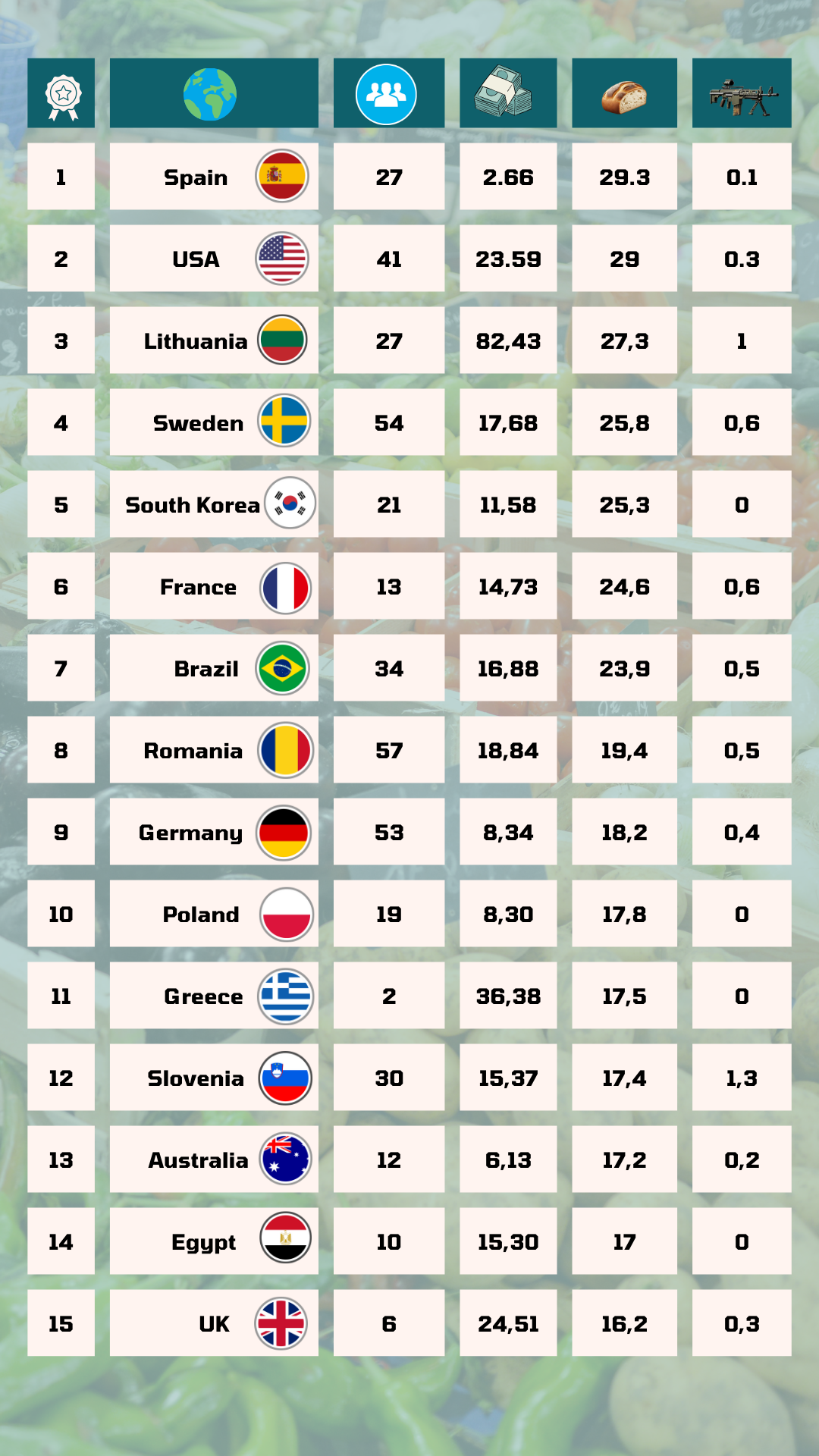
Fig 3: "Purchasing power" for average NPCs
Spain takes top spot in purchasing power due to very low current food prices. This might not hold true over time though! Otherwise we recognize the top countries at top of ranking, with an appearance of South Korea and France.
Depollution
To correct last article, it seems that Caldeira himself was, uh, fairly confident, that the NPC pollution reduction is global. To remind, this means that when a NPC purchases goods, the global game pollution is reduced back by the same amount to compensate.
Why is this important? Well, for fun and giggles, based on projected NPC consumption amounts, we can see which countries contribute the most to global depollution!

Fig 4: Top Countries in global depollution contribution
It's not surprising to see the same countries as the NPC split here, but it's pretty notable that the USA, Sweden, and Brazil punch above their weight. Also, you may notice that top countries occupy a much larger place, as a lot of developping countries simply don't have enough market activity to provide good living conditions to NPCs.
So bigger countries negate more pollution, but what if we were to compare both?

Fig 5: Top 15 Greenest countries based on depollution relative to size
We could expect USA to reach higher with their purchasing power ranking, but Sweden claims the top spot, probably due to higher NPC density. Spain and France also again make an appearance, but this is highly dependent on food pricing.
Pollution Management
A word on the above. These are all very theorical values, and come with a few caveats. The main one is the source of NPC goods isn't factored in at all (because we can't). If i spend 20g/day crashing Q1 WaM in a +30% region to sell low on my own market, am I an upstanding green citizen? Perhaps not.
This is why PHI Carbon Accounting Solutions is a new holding dedicated to pollution management. We aim to produce NPC-targeted goods in very low utilization regions, to spread them over markets all over the globe and drive their price down and availability up. This ensures as much NPC consumption as possible, dilluting pollution by making barren regions contribute to reducing hotspots smog.
Closing words
Hopefully this gives you some insight in the practical situation of NPCs in the game.
Got comments, questions, corrections, or requests for next articles? Do you want more detailed data from the article? Feel free to drop a comment or contact me directly.
